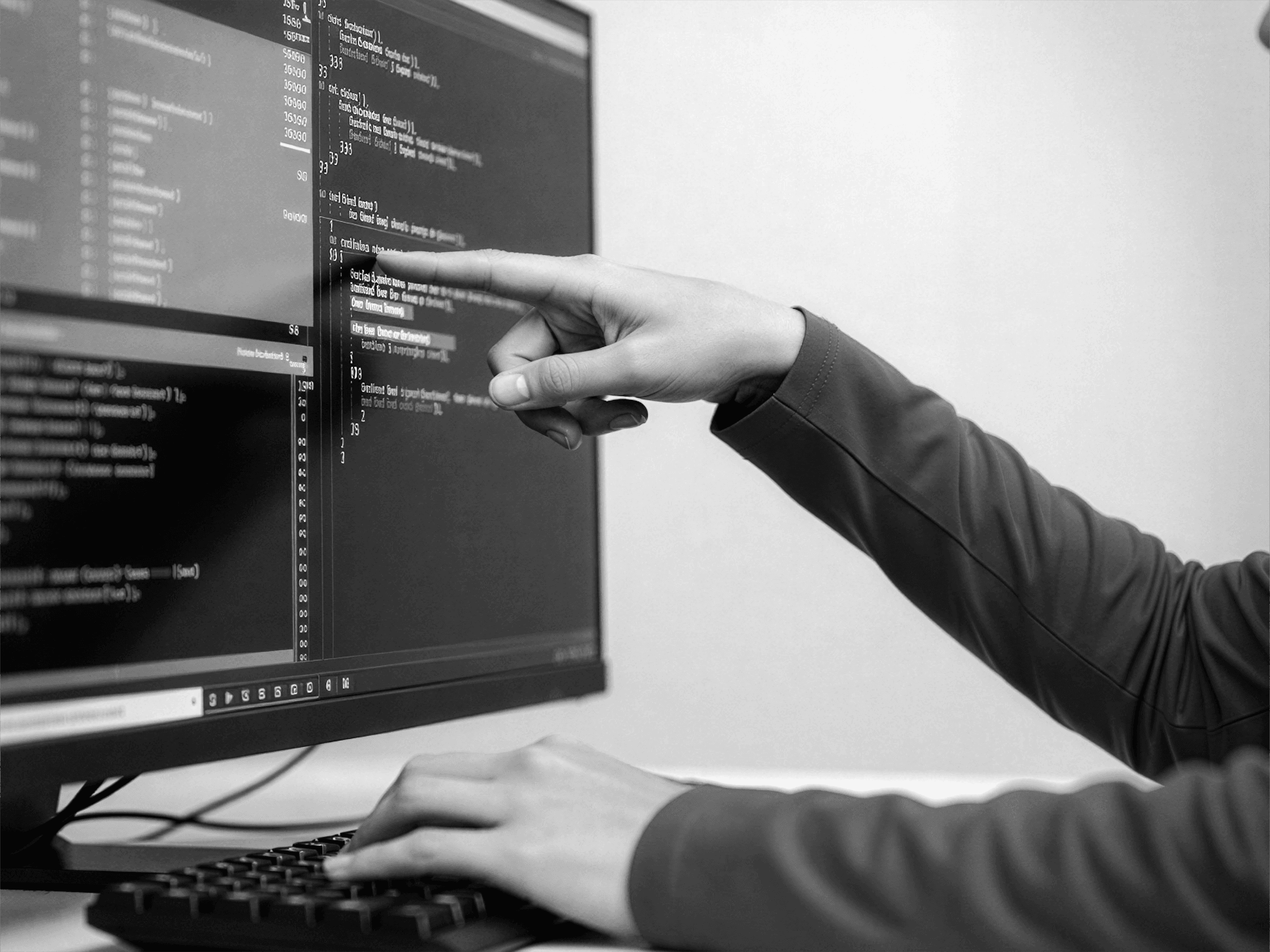
The Role of Human Oversight in AI Automation
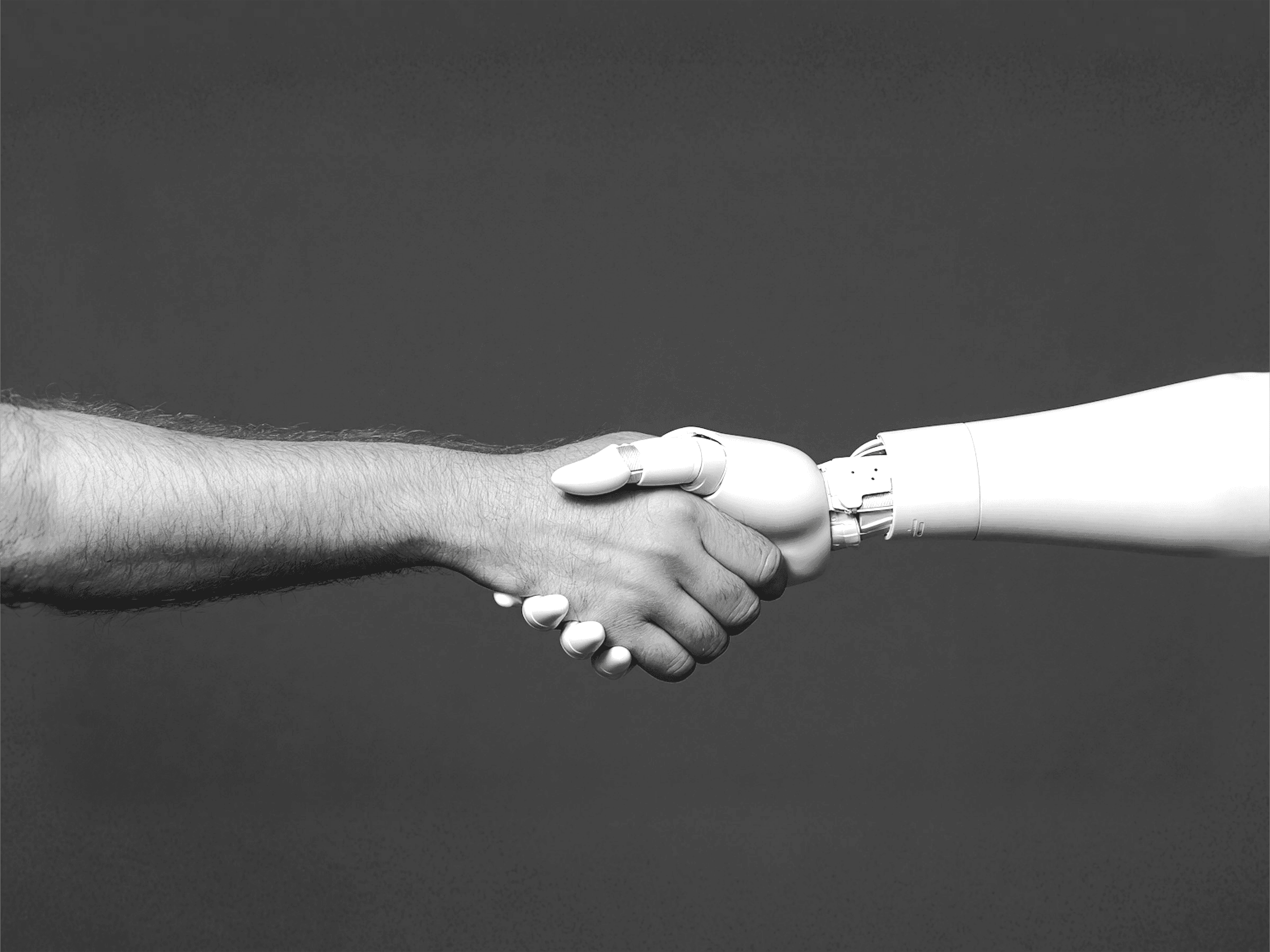
Why human oversight remains essential in AI-driven workflows.
AI automation is often described as “hands-off,” but in real-world business environments, fully autonomous systems are rarely practical—or responsible. The most effective AI automation systems are not those that remove humans entirely, but those that redefine the role of human oversight.
Human oversight acts as the stabilizing layer between automation and accountability. While AI excels at processing information, identifying patterns, and executing repetitive decisions, it lacks contextual judgment, ethical reasoning, and business intuition. Oversight ensures that automation operates within acceptable boundaries and aligns with organizational intent.
In practice, this means designing systems where humans review outputs at critical checkpoints. For example, AI may draft responses, score leads, or summarize data—but humans approve actions that affect customers, revenue, or compliance. This “human-in-the-loop” approach reduces risk while maintaining efficiency.
Oversight also plays a critical role in system improvement. Humans provide feedback, identify edge cases, and refine decision logic over time. Rather than treating AI automation as static, oversight enables continuous learning and adaptation.
Ultimately, AI automation works best when humans remain accountable for outcomes. Automation should reduce effort, not responsibility. Businesses that embrace this balance build systems that are not only efficient, but trustworthy and resilient.